
Havn.ai blog
Mold After a Leak: What Policies Cover and What They Exclude
November 3, 2026 · Havn.ai
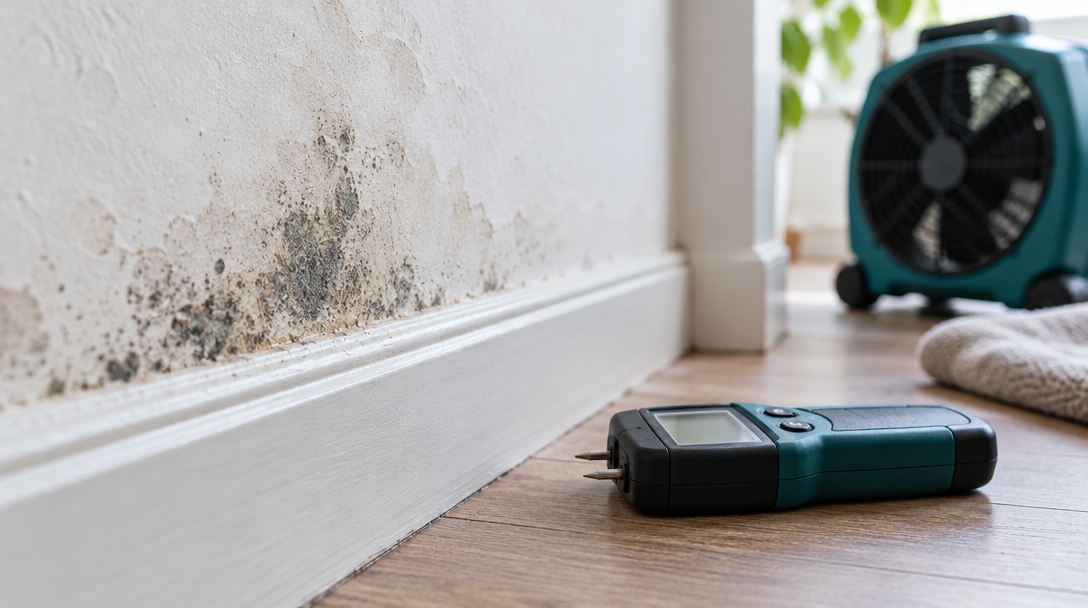
Mold is not one problem. It is two: the water that let it grow, and the growth itself. Most policies treat them differently, and the difference decides who pays for the remediation.
Here is how the coverage usually works, what to document, and how to respond when a mold claim comes back denied.
Water damage and mold damage are separate questions
Your policy may cover the sudden escape of water from a pipe, an appliance or a waterbed. That is the covered event.
Mold is then a separate question with its own exclusion, and usually its own give-back. Many homeowners forms exclude mold, fungus and wet rot broadly, then add back a limited amount of coverage when the mold results from a covered water loss. The result is a claim that is partly covered, capped at a limit, and easy to misread.
Read your policy and look for three things:
- The mold exclusion itself
- The exception that returns coverage for mold caused by a covered loss
- The limit that applies to that returned coverage
If you find no cap at all, look for a separate mold endorsement, which some policies use instead.
The cause is the whole argument
Insurers distinguish between mold from a single sudden event and mold from a condition that developed over weeks or months. The second falls into the seepage, repeated leakage and maintenance exclusions.
That makes the timeline of your leak the most valuable thing you own. Be able to show:
- When the water first appeared, and how you knew
- What the source was: a supply line, a failed seal, a storm opening, a backed-up drain
- What you did, and how quickly, to stop and dry it
- What the conditions were before the loss
A dated photograph of a dry ceiling, a plumbing invoice, a plumber's written report, a neighbour's account, or a message to your landlord or adjuster the day it happened can all help establish the sequence.
Drying time matters more than most people expect
Remediation standards generally describe drying a wet structure within roughly the first day or two, before conditions allow growth to establish. That has two consequences for a claim:
- Act quickly and keep the evidence of acting quickly. A mitigation invoice dated the same day is strong proof of your duty to protect the property.
- Do not dry it silently. Tell your insurer what happened and what you are doing, in writing, before the work is finished.
If you cannot get a crew immediately, document the conditions: moisture readings, photographs, and a dated note of what you did with fans or dehumidifiers.
What to document for the mold portion
The strongest mold claims look like a scope of work, not a complaint. Gather:
- Photographs of the affected area, wide and close, with something for scale
- Moisture readings before and after drying, if you have them
- A written remediation protocol from a mold or restoration professional: affected areas, materials, containment, removal and clearance
- Air or surface testing, where the professional recommends it, including who is paying for it and why it is needed
- The invoice for any emergency drying already done
- Any medical or occupancy reason that made remediation urgent, such as a child with asthma or a room that cannot be used
Ask the professional to separate the water damage scope from the mold scope in the paperwork. Clean separation is what lets an adjuster apply the right limit to the right part.
Where the limit bites
When mold coverage is capped, the cap usually applies to the remediation cost, and sometimes to testing as well. It may be a fixed amount, or a fraction of a coverage limit.
Practical consequences:
- Ask what the cap is before authorising a large remediation.
- Ask whether the cap is per occurrence or per policy period.
- Ask whether the underlying water repair is inside or outside the cap. Often it is separate, sometimes it is not.
- Get the scope priced in stages, so you can see which work sits under the cap.
Common locations and how they are treated
- Under a kitchen or bathroom sink: usually a sudden discharge if a supply line or fitting failed
- Behind a shower or bath: often argued as long-term, which puts it in the seepage exclusion unless the timeline says otherwise
- Basement and crawlspace: heavily dependent on the source, and often limited
- Attic from a roof opening: usually tied to whether the roof opening was caused by a covered event
- From a neighbouring unit: can involve two policies, and delay while they decide between them
Each of these turns on cause and timeline, not on the amount of visible mold.
If the mold claim is denied
Ask, in writing, for three things:
- The specific exclusion cited, and the page it appears on
- Whether the exception for mold resulting from a covered loss was considered, and why it does not apply
- The cause of loss the insurer has recorded, since everything else follows from it
Then respond with the timeline, the plumbing or contractor evidence, and the remediation protocol. If the disagreement is about the cause rather than the amount, say so plainly and ask for a review. Your policy may also set out a dispute process, such as appraisal for disagreements about the amount of loss.
Where Havn.ai fits
Havn.ai reads your policy, your mitigation invoice, your remediation protocol and your adjuster's letters, and shows you which exclusion and which exception the insurer is relying on, in plain language. It builds one organised claim file and a report you can hand to your adjuster.
It reads only what you upload and never invents policy terms or findings. It does not test for mold, file your claim or negotiate for you, and it is not medical or legal advice.
FAQ
Does homeowners insurance cover mold? Often a limited amount, when the mold results from a covered water loss. Broad mold exclusions are common, so check your policy and any mold endorsement.
Is mold from a slow leak covered? Usually not. Seepage, repeated leakage and maintenance exclusions typically apply to conditions that developed over time.
Will the policy pay for mold testing? Sometimes, as part of the remediation, and sometimes within the same cap. Ask before you authorise it.
Can I clean the mold myself? Small surface areas are often cleaned by homeowners, but porous materials and larger areas are usually a professional job. Your insurer may require a professional scope before approving a payout.
What if I already remediated before reporting it? You can still claim, but you need the paper trail: photographs, readings, the invoice and the professional's scope. Tell your adjuster exactly what was removed and when.
This article is general information, not insurance or legal advice. Your policy wording and your adjuster's instructions come first.
This is general information, not legal or insurance advice. Every policy is different, and only your own policy and your state's rules decide your claim. For advice, talk to your adjuster, a licensed public adjuster, or an attorney.